




Last Updated:
September 16th, 2026
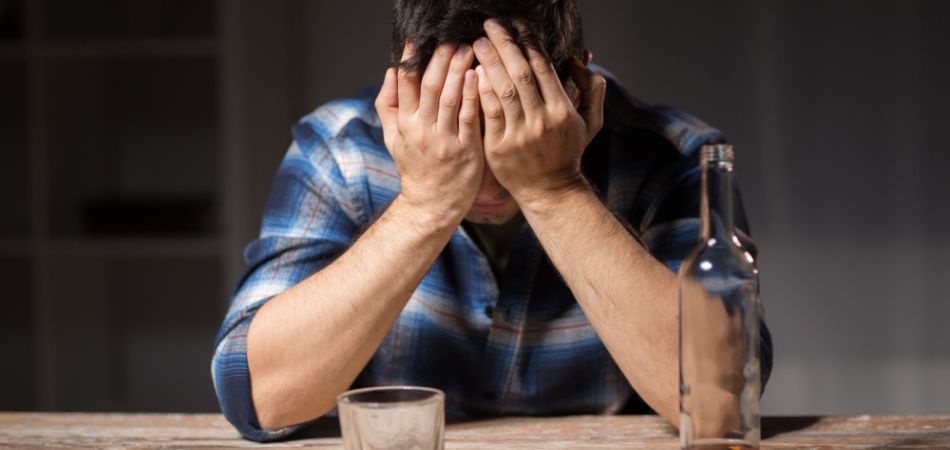
There’s a life you’re living now that once felt out of reach. The despair that comes with addiction can make a happy, healthy future seem impossible. If you’re looking back now, it can feel like a huge relief that you were able to recover. If you’re still in the place where there doesn’t seem to be a light at the end of the tunnel, that can be terrifying. But it’s so important to know that almost everyone who has recovered from substance or behavioural addiction felt like that at some point. The connection between addiction and mental health runs incredibly deep. Understanding that connection and how people find their way through it can help you decide how you want the rest of your life to be.
How suicide and addiction connect
Addiction can completely change how you see yourself. It can distort your view of your relationships, future, goals, and chances of happiness. This can take a huge toll, and almost three-quarters of adults starting addiction treatment in England in 2023 to 2024 said they had a mental health treatment need.
Suicidal thoughts are common among people struggling with addiction. Drugs, alcohol, and the consequences of behaviours like gambling can cause and worsen emotional pain. This can make it harder to imagine a happy life or future, and this can make an already hard situation feel completely hopeless.
Between October 2021 and September 2022, 428 people in England and Wales died by suicide within twelve months of being in contact with drug and alcohol services. These people accounted for 8% of all suicide deaths in that period. Gambling addiction has been estimated to cause between 117 and 496 suicides each year in England.
This link between addiction, substance misuse and suicide is one we understand better than we used to. Suicide is what happens when the brain and body are under constant pressure, and when someone’s been trying to cope for a long time without the support they need.
Crucially, it has nothing to do with weakness. Behind each of those numbers is a person whose pain became unbearable. Understanding how and why that happens is a big part of preventing it.
The vicious cycle of addiction and mental health
One of the hardest things about addiction and mental health together is that each exacerbates the other. Alcohol is a depressant that lowers your mood even if it numbs or raises it for a little bit. Many drugs change the brain’s reward and threat systems and leave you feeling paranoid, anxious, and hopeless when you’re not using. The poor sleep, diet, relationship problems, and shame that all come with addiction can all affect your mental health.
But when you’re the person all that is happening to, you may not be able to see it clearly. Suicidal thoughts during addiction often don’t reflect someone’s real situation or their actual future. They’re a sign of how much pain that person is in right now and the lies addiction is telling them about their situation. People can start to feel like a burden, like there’s no way out, or that the people around them would be better off if they were gone. Being sure that situation will always be this bad is a major sign of someone in crisis, but convincing them otherwise often requires more than reassurance.
How to recognise the warning signs
If you’re worried about someone, knowing what to look for can help them get the right support before something tragic happens. Someone in serious distress may pull away from the people who care about them, stop doing things they used to enjoy, talk about feeling hopeless or like a burden, or say things that suggest they can’t picture a future. Their drinking or drug use might go up. They might start putting things in order, or saying things that sound like goodbyes.
These warning signs in suicide and addiction aren’t always dramatic. Someone may become withdrawn, stop reaching out, or seem to have given up arguing for themselves. If you notice these things, the best thing to do is usually to ask them directly whether they’re having thoughts of ending their life. Research suggests that asking doesn’t put the idea in someone’s head, and often comes as a relief.
The Samaritans provide free suicide prevention support any time of day or night, on 116 123. CALM, the Campaign Against Living Miserably, is open every evening from 5 pm to midnight on 0800 58 58 58. If you’re having suicidal thoughts or you’re worried about someone you know, don’t hesitate.

Getting help for addiction and mental health support
When suicidal thoughts come with addiction, immediate support is needed. This can come from a few different directions.
Your GP can refer you to mental health services, addiction treatment, or both. Crisis teams exist in most areas and can give urgent mental health support to people who can’t wait for a routine appointment.
Addiction treatment and mental health care work together much better than they used to. Dealing with both at once is now central to how good rehab services like Oasis Runcorn work. If you’re not sure where to start, give Oasis Runcorn a call, and we can talk through your situation.
Crucially, when things have reached this point, waiting and seeing rarely helps. If you or someone you know is beginning to feel like the future has closed off completely, please reach out for help.
The life that recovery makes possible
What often surprises people, once they’re far enough into recovery to look back, is how completely their view of the future has changed. The hopelessness that felt like a true reading of reality turns out to have been part of the illness.
But recovery slowly gives back the parts of you that addiction buried. That includes being able to feel something other than pain or numbness, and being able to imagine next week, next year, and a new life that you want to be in.
People pick up interests they’d dropped, rebuild relationships that had broken down, reconnect with people they’d pushed away, and find a sense of purpose they didn’t expect. None of this happens all at once, and there are still hard days. But possibilities open up that just weren’t there before. Recovery and hope are real. They’re what happens when people get the right support and stay with it long enough.
The life you almost didn’t get to live
Suicidal thoughts and mental health crises are serious, and they can be terrifying. At Oasis Runcorn, we hear stories all the time of people reaching a point where they couldn’t see any reason to go on. Some of them came very close to acting on it. But a conversation, a decision, someone helping, or a treatment that worked helped turn things around.
Seeking help for addiction is often where that turning point comes. It’s an act of survival, and one that, for a lot of people, opens up a life they almost didn’t get to live.
If you’re struggling right now, Oasis Runcorn is here. We work with people at every stage of addiction and mental health difficulties, including the stages where hope feels a long way off. Get in touch, and we can talk through where you are and what help looks like from here.
If you’re in immediate crisis, please call the Samaritans on 116 123. They’re there for you, free, any time of day or night.
(Click here to see works cited)
- “Adult Substance Misuse Treatment Statistics 2023 to 2024: Report.” Office for Health Improvement and Disparities, 28 Nov. 2024, www.gov.uk/government/statistics/substance-misuse-treatment-for-adults-statistics-2023-to-2024/adult-substance-misuse-treatment-statistics-2023-to-2024-report.
- “Suicide by People in Contact with Drug and Alcohol Services: A National Study 2021 to 2022.” National Confidential Inquiry into Suicide and Safety in Mental Health, University of Manchester, Feb. 2024, sites.manchester.ac.uk/ncish/reports/suicide-by-people-in-contact-with-drug-and-alcohol-services/.
- Office for Health Improvement and Disparities. Gambling-Related Harms Evidence Review: Summary. GOV.UK, 11 Jan. 2023, https://www.gov.uk/government/publications/gambling-related-harms-evidence-review/gambling-related-harms-evidence-review-summary–2