




Last Updated:
July 21st, 2026
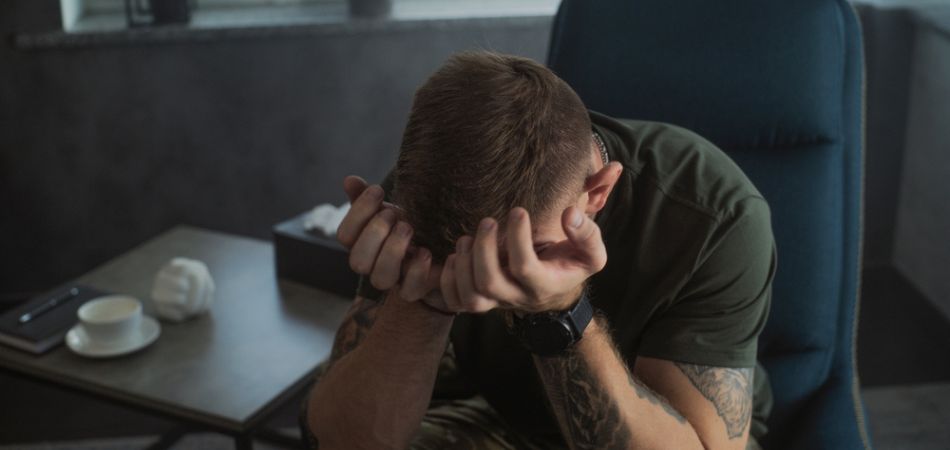
One of the hardest parts of recovery often isn’t the physical withdrawal or even the cravings, but the flatness that comes afterwards. For some people, when the worst of withdrawal has passed, nothing seems to feel good anymore. It might be that your food tastes bland, your favourite music or television shows bore you, or even that time with friends and family feels like you’re just going through the motions. What you’re experiencing is called anhedonia, and it’s one of the most common yet least talked about challenges of recovery. Understanding the link between addiction and anhedonia can help you get through it without giving up or believing you will feel this way forever.
What is anhedonia?
Anhedonia means losing the ability to enjoy things that would normally make you feel good. It’s different from sadness, although the two often overlap. With sadness, you feel something, even if that something is painful. With anhedonia, you feel very little at all. Things that used to bring you happiness or satisfaction, whether that’s eating a good meal, hanging out with your mates, spending time with your partner, or just watching telly with your family, now produce no feelings in you.
This emotional numbness addiction creates is really unsettling, and it can make you question whether recovery is even worth it. But it’s important to know that anhedonia is a sign that your brain is still healing, and that the person you were before addiction is still there underneath.
Additional Read: How Cocaine Addiction Can Lead to Anhedonia
Why nothing feels enjoyable after addiction
To understand the link between addiction and anhedonia, you need to know a little about how pleasure works in the brain. The relationship between addiction and the brain’s reward system begins in a network called the mesolimbic pathway, which uses dopamine to create feelings of motivation and enjoyment. Put very simply, when you do something rewarding, like eating when you’re hungry or connecting with someone you care about, this system releases dopamine, and you feel good.
Drugs and alcohol hijack this system by flooding it with far more dopamine than anything natural can produce. At first, this feels incredible. But your brain is built to maintain balance, so it starts making adjustments. It reduces the number of dopamine receptors available, a process called dopamine receptor downregulation, and it produces less dopamine overall.
Dopamine depletion through addiction is the major force behind anhedonia. As your brain becomes so adapted to the artificial flood of dopamine, it can’t enjoy simple everyday pleasures anymore. Hobbies, relationships, achievements, and home comforts now barely register because your reward system has adjusted so much to drugs, alcohol, and even addictive behaviours like gambling or gaming.
The difference between withdrawal and post-acute anhedonia
In the first days and weeks after you stop drinking or using drugs, a low mood is partly due to acute withdrawal. Your body is adjusting to the sudden absence of the substance it had come to depend on, and that adjustment is not easy. But for many people, the emotional flatness doesn’t lift when the physical symptoms fade.
This is called post-acute withdrawal anhedonia. It usually begins a few weeks after acute withdrawal ends and can last for four to six months, and sometimes even longer. The timeline varies depending on the substance, how long you were using, and how your own brain responds to quitting.
What makes this phase so difficult is that it often catches people off guard. They expect to feel better once acute withdrawal symptoms have passed, and when they don’t, it can feel like something is permanently wrong. But it isn’t. Your brain is still repairing itself, and the flatness is part of that process.
Why anhedonia makes relapse so dangerous
The link between relapse and anhedonia is one of the most important things to understand in recovery. When nothing feels good, the memory of how substances or addictive behaviours used to make you feel becomes incredibly powerful. Your brain has learned that these provided pleasure or relief, and it keeps pushing you to seek that again.
But this is a trap. Starting again will provide a brief spike of pleasure, but it will also set back the healing and delay the recovery that’s already underway. People with more severe anhedonia after detox are significantly more likely to relapse, which is why getting professional help is so important for staying on track.

How stress keeps the cycle going
Anhedonia often comes with a real difficulty in handling stress, which is part of why mental health after addiction can feel so fragile. Long-term substance use throws off your body’s stress hormones, leaving you either wound up all the time or completely drained. This makes everyday challenges feel harder to deal with, while everything else feels even more numb. You are then left trying to cope with a brain that can’t feel pleasure properly and a body that can’t handle stress properly, both at the same time.
How your brain can heal
The good news is that neuroplasticity addiction recovery is real. Your brain is not fixed in place. It has the ability to rewire itself, grow new connections, start working properly again, and find its balance. The dopamine receptors that were downregulated can recover, and your dopamine levels can come back up. When this happens, your reward system can start responding to natural pleasures again.
But reward system healing is slow, and it doesn’t always go in a straight line. Dopamine receptor levels can take many months to get back to normal, with real improvement often showing up at 12 to 17 months of abstinence and continuing beyond that. You won’t feel a little better every single day. There will be good days and bad days, windows of feeling great, followed by setbacks that feel like going backwards.
What helps the recovery process
Understanding loss of pleasure recovery means knowing that you can’t just wait passively for your brain to heal. Some things really do help, and they’re worth trying even when anhedonia means you don’t feel motivated to do anything.
Abstinence is the foundation. Every day without substances is a day your brain can continue repairing itself. Behavioural activation, which means deliberately engaging in activities even when you don’t feel like it, helps your brain remember what enjoyment feels like. This could be exercise, creative hobbies, social connection, or anything that used to satisfy you. The point isn’t that you’ll enjoy these things immediately, but that doing them helps your brain remember how to enjoy them.
Predictable routines are also important for healing. When your motivation is low and everything feels pointless, having a regular schedule means you don’t even need to make decisions about what to do next. Therapy in aftercare can help as well, as it can help you build positive experiences back into your life. Oasis Runcorn’s aftercare programmes are designed to provide support and accountability during the hardest months.
Get professional help for addiction in anhedonia
If you’re in the middle of this and wondering whether it will ever get better, the answer is yes. The flatness you’re feeling is temporary, even if it doesn’t feel that way right now. Your brain is recovering, and your reward system is coming back online. Soon, the ability to feel pleasure again will return, without the need for substances or harmful behaviours.
If you’re struggling with anhedonia and need support to get through this phase of recovery, Oasis Runcorn can help. Contact us today to talk about your options and find out how our treatment programmes can give you the time, care, and structure your brain needs to heal.
(Click here to see works cited)
- Bahji, Anees, et al. “Neurobiology and Symptomatology of Post-Acute Alcohol Withdrawal: A Mixed-Studies Systematic Review.” Journal of Studies on Alcohol and Drugs, vol. 83, no. 4, 2022, pp. 461–69, https://doi.org/10.15288/jsad.2022.83.461.
- Hatzigiakoumis, Daniele Stavros, et al. “Anhedonia and Substance Dependence: Clinical Correlates and Treatment Options.” Frontiers in Psychiatry, vol. 2, 2011, Article 10, https://doi.org/10.3389/fpsyt.2011.00010.
- Heinz, Andreas, et al. “Correlation Between Dopamine D2 Receptors in the Ventral Striatum and Central Processing of Alcohol Cues and Craving.” American Journal of Psychiatry, vol. 161, no. 10, 2004, pp. 1783–89, https://doi.org/10.1176/ajp.161.10.1783.
- Trifilieff, Pierre, and Diana Martinez. “Imaging Addiction: D2 Receptors and Dopamine Signaling in the Striatum as Biomarkers for Impulsivity.” Neuropharmacology, vol. 76, part B, 2014, pp. 498–509, https://doi.org/10.1016/j.neuropharm.2013.06.031.
- Volkow, Nora D., et al. “Decreased Striatal Dopaminergic Responsiveness in Detoxified Cocaine-Dependent Subjects.” Nature, vol. 386, no. 6627, 1997, pp. 830–33, https://doi.org/10.1038/386830a0.